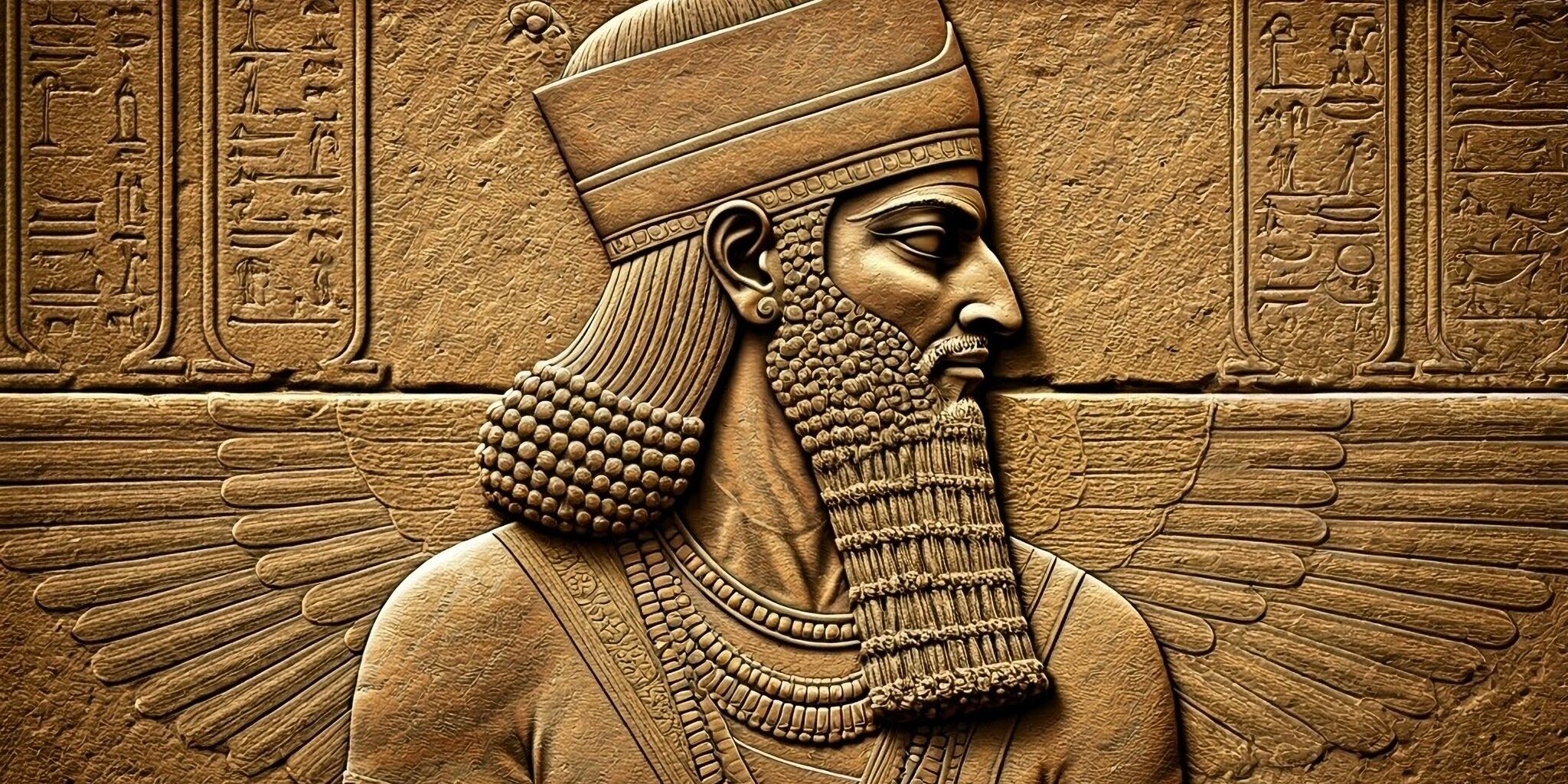
The destruction of the Northern Kingdom (a/k/a Ephraim, Samaria, or Israel) occurred in stages. As historical background, the united monarchy of the Nation of Israel split around 930 BC after the death of Solomon and was divided into the Northern Kingdom and Southern Kingdom. The Southern Kingdom (a/k/a Judah) consisted of the tribes of Judah and Benjamin, along with many Levites, who remained loyal to the Temple.[1] The Northern Kingdom consisted of the remaining tribes of Israel. Over the years, the Northern Kingdom and Southern Kingdom had various wars and hostilities against each other. The final stage of conflict occurred between 740 BC to 722 BC.
Around 735 BC, the Northern Kingdom (known as Ephraim, Samaria, or Israel) united with Aram (Syria) to attempt to force the Southern Kingdom (Judah) to join their coalition against Assyria, the world’s superpower at that time. As you may recall from last week’s message, this was the immediate background of the prophecy of the Virgin Birth.
At 2 Kings 15:28, we learn that the king of the Northern Kingdom, Pekah, did “evil the sight of the Lord.” As discussed last week, Pekah’s evil included forming a coalition with King Rezin of Aram against Judah and its king, Ahaz, a plot that failed. Ultimately, Assyria defeated King Pekah and King Rezin in 732 BC, and both kings died.[2]
Of particular interest, Isaiah 7:8 reads as follows:
For the head of Aram [Syria] is Damascus, and the head of Damascus is Rezin (now within another sixty-five years Ephraim [the Northern Kingdom of Israel] will be broken to pieces, so that it is no longer a people),
The Hebrew noun ḥaṯ is defined as “broken, crushed, or shattered.”[3] The Assyrians defeated the Northern Kingdom in battle in 732 BC, but Isaiah prophesied that Israel would be completely shattered or broken into pieces within 65 years as a punishment for its sin and rebellion against God. In 722 BC, the Assyrians completely conquered the Northern Kingdom and started deporting the Israelites to the eastern provinces of the Assyrian Empire. Additionally, over the years, the Assyrians started settling foreigners into the land of the Northern Kingdom. At 2 Kings 17:24, we read that “the king of Assyria brought people from Babylon, Cuthah, Avva, Hamath, and Sepharvaim, and settled them in the cities of Samaria [the Northern Kingdom] in place of the sons of Israel. So they took possession of Samaria and lived in its cities.”
Even in modern history, we can see how excessive immigration can destroy a country’s unique identity and culture. If you have a country, like the United States, your immigration policy must permit only numbers and time that allow for assimilation in order to safeguard national identity and culture.
By the time of Jesus, more than 700 years later, there was still an ongoing conflict of cultures between Samaria and Judah. In the Gospel of John, Chapter 4, we read that Jesus had a fascinating interaction with a Samaritan woman. John 4:19-24 reads as follows:
The woman said to Him [Jesus], “Sir, I perceive that You are a prophet. Our fathers worshiped on this mountain, and yet you Jews say that in Jerusalem is the place where one must worship.” Jesus said to her, “Believe Me, woman, that a time is coming when you will worship the Father neither on this mountain nor in Jerusalem. You Samaritans worship what you do not know; we worship what we do know, because salvation is from the Jews. But a time is coming, and even now has arrived, when the true worshipers will worship the Father in spirit and truth; for such people the Father seeks to be His worshipers. God is spirit, and those who worship Him must worship in spirit and truth.”
The religion of the Samaritans in Jesus’ time included a combination of Mosaic practices and pagan practices. The Samaritans accepted only the first five books of Scripture, known as the Torah. They rejected the writings of the prophets, other historical books and even the poetry of the Psalms. They believed that Mount Gerizim, not Jerusalem, was the correct place to worship. They looked for a prophet like Moses, not a Messiah from the line of David.[4]
Jesus Christ died for the sins of humanity, but He (Jesus) also modeled a new way of living for humanity. All of humanity has been offered a new way of living and worshiping God. The true worshipers of God are required to worship God in spirit and truth. Every believer has received the gift of the Holy Spirit, and we have the completed canon of Scripture. We must depend on the guidance of God’s Spirit and Word in our daily lives.
[1] “Provide the tribes of the Northern Kingdom vs Judah” prompt. ChatGPT, GPT-4, Open AI, 5 Nov. 2025.
[2] “Both King Rezin and King Pekah died in 732 BC” prompt. ChatGPT, ChatGPT, GPT-4, Open AI, 5 Nov. 2025.
[3] “H2844 – ḥaṯ – Strong’s Hebrew Lexicon (nasb20).” Blue Letter Bible. Web. 7 Nov, 2025. <https://www.blueletterbible.org/lexicon/h2844/nasb20/wlc/0-1/>.
[4] “At the time of Jesus, what distortions were practiced by the Samaritans?” prompt. ChatGPT, ChatGPT, GPT-4, Open AI, 5 Nov. 2025